
ThreatLocker Platform
Overview followed by a deep dive into ThreatLocker's Elevation Control: A unified approach against exploitation of Zero Day vulnerabilities

ThreatLocker is an endpoint security platform that puts organizations in control through Application Allowlisting and Ringfencing technology to stop the misuse of vulnerable applications, prevent unauthorized elevation of privileges, and control storage and network traffic. Unlike traditional detection-based approaches, ThreatLocker takes a zero-trust stance by default-denying all untrusted software execution, effectively blocking ransomware, zero-day exploits, and fileless malware before they can run on protected endpoints.
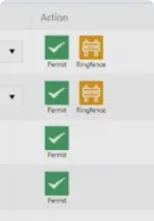
What makes ThreatLocker particularly effective is its layered approach to endpoint control that combines allowlisting with application containment through Ringfencing. Even when an application is approved to run, Ringfencing limits what that application can do by restricting its ability to interact with other applications, access the internet, or reach sensitive files and registry keys. This defense-in-depth model gives security teams granular control over endpoint behavior while maintaining operational flexibility, helping organizations of all sizes implement true zero-trust security at the endpoint level.
Market segment
Overview followed by a deep dive into ThreatLocker's Elevation Control: A unified approach against exploitation of Zero Day vulnerabilities
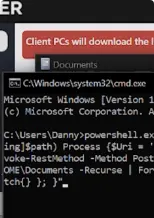
Using ThreatLocker to control application execution

Managing user permissions per application with Elevation Control
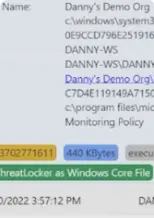
An endpoint NAC solution to control access at the local level
A quick overview of ThreatLocker's full capabilities

Limiting application interactions with Ringfencing
Granular control over who and what can access your important shares